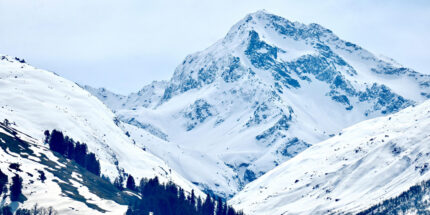
Nestled at an altitude of 3352 meters, the valley of flowers was discovered in 1931 by the visionary mountaineer Frank Smythe. He coined the name of Valley of Flowers was termed due to its multitude of rare and beautiful plants and flowers. The meadow is best at its display towards the end of monsoon to early September. Lush green mountain ranges, pastures and snowy clouds combine together to form a dreamlike locale that every visitor would like to capture in its lens. While trekking towards the valley you will observe cascading waterfalls and has been declared as a world heritage site. Declared as National Park in 1982, the valley is covered with thick blanket of snow during winter season. Dew drops of flowers, the rhythmic sound of flowing water and the romantic breeze can be enjoyed by the visitors.
Highlights
- Devprayag (confluence of river Alaknanda & Bhagirathi
- UNISCO world heritage Valley of Flowers
- Hemkund – a high altitude lake
- Badrinath – most sacred shrine of Hindu
Best Time: July – August
Duration: 09 nights /10 Days
Day 01: Arrive Delhi
Welcome to India- country of the bygone era with amusing culture, impeccably flowing rivers, making its way through the snowcapped mountains and sumptuous green vegetation with a wide range of exotic flora and fauna. India is a melting pot of cultural diversity. You will be received at the airport in a traditional manner with garlands and proceed to your hotel for overnight stay.
Day 02: Delhi – Rishikesh (225 kms drive / 4-5 hrs)
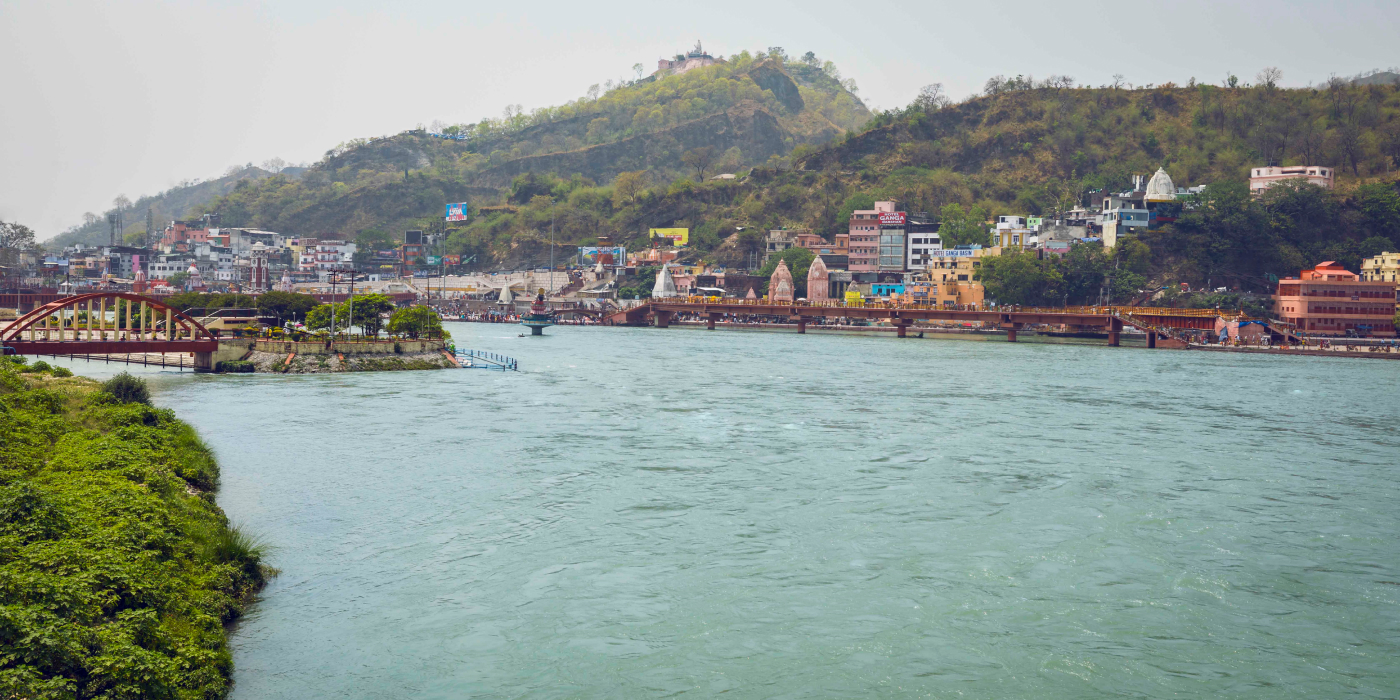
After Breakfast drive to Rishikesh via Haridwar. Stop enroute at Haridwar to visit Har-ki-pauri Ghat.It is a site that marks the exact spot where river leaves the mountains.it resembles like a railway station with bridges and walkways connecting various islands.
RISHIKESH is situated at the point on wooded hills from where the mighty Himalayas rise above the plains. It serves as a melting point for new age and Hindu activities. It also serves a perfect destination for adventure seekers.
Arrive Rishikesh and check into hotel. In the afternoon proceed for sightseeing tour of Rishikesh. Ram Jhula is situated in close proximity to the town, where every pilgrim stops to take a dip in the holy Ganges and it provides spectacular view in the evening at the time of Aarti. The dense knit complex of cafes, ashrams and shops are collectively known as Swarg Ashram. Laxman Jhula and Ram Jhula forms the predominant landmark of the quintessential town.
Overnight, stay at the Hotel.
Day 03: Rishikesh – Joshimath (256 kms drive / 6-7 hrs)
After breakfast, drive down to Joshimath.
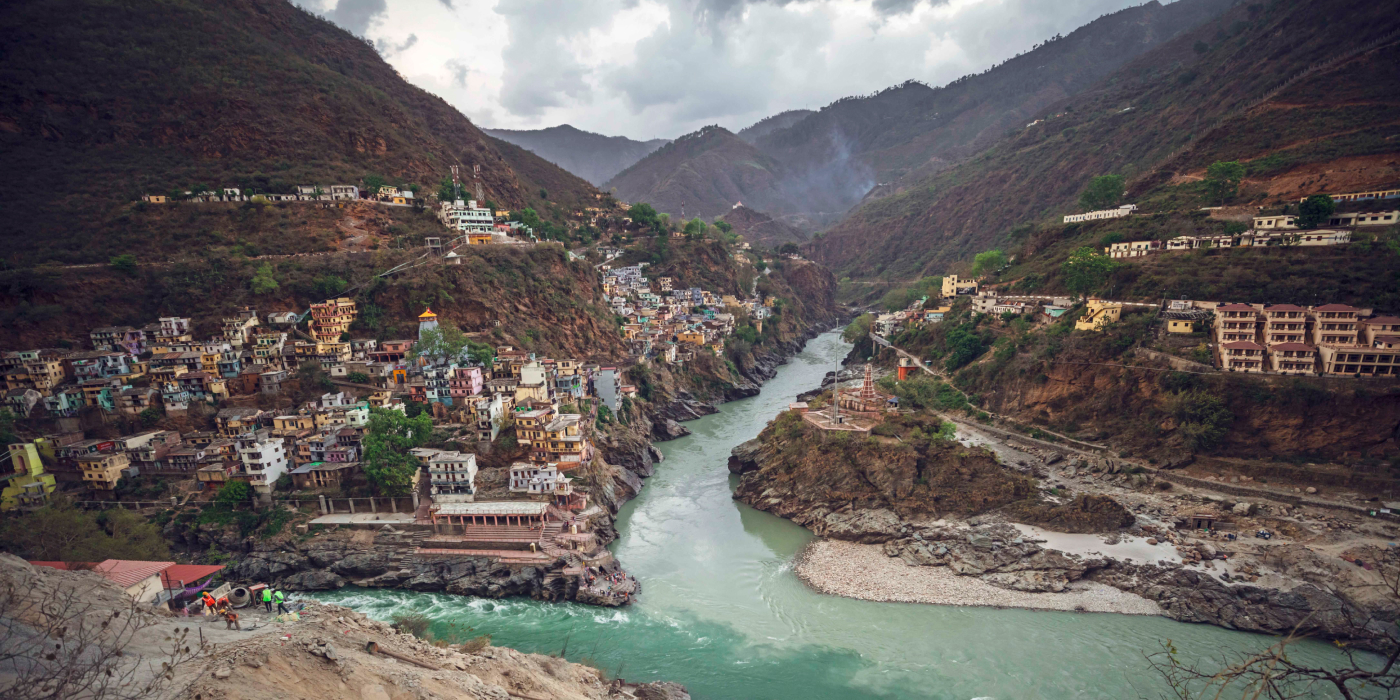
Enroute take a short stop to visit Devprayag. Being a popular pilgrimage spot, it is also the last spot for confluence of Alaknanda and Bhagirathi River which is popularly known as Ganga. The town is dotted with various sacred temples and serene surroundings. It originates much of its spiritual importance from the vibrant and vivacious natural features that frames it such as the rivers.
Situated 250 kms from northeast from Rishikesh, Joshimath is enticing with sights of the snow peaks high above. The sacred town of Joshimath spreads its spiritual characteristic in the entire state of Uttarakhand. The town even serves as winter seat of Lord Badrinath and makes it an important Hindu pilgrimage center. The view of Hari Parvat and other Himalayan peaks are inexplicable.
Arrive and check in to hotel for overnight stay.
Day 04: Joshimath – Govindghat- Ghangaria (18kms Drive (1hr) + 14 kms Trek (6-7 hrs)
After Breakfast, proceed for one hour drive to the Govind Ghat, a small village and is an important pilgrim trail that winds for 21 steep kilometers up to snow melt Lake Hemkund. It serves as the gateway to Hemkund Sahib and Valley of Flowers. It is the right choice to escape from the hectic city life and spend some leisure time in the lap of nature.
On arrival at Govind Ghat, start trekking to reach Ghangaria which is the base camp for The Valley of Flowers and Hemkund Sahib.
Arrive and check in at guest house / camp.
Day 05: Ghangria – Valley of Flowers – Ghagaria (4-5 hrs trek)
After Breakfast start, start trekking to reach the famous Valley of Flowers. Blessed with rare and exotic Himalayan flowers is a bouquet of flowers nestled beautifully in Uttarakhand. Being an Indian National park and UNESCO World Heritage Site is evident piece of nature and displays lush fields blossomed with alpine flora and fauna. It is a meeting point of the Himalayan ranges, Zanskar and Western and Eastern Himalayas. It is a seamless place to relax around the myriad amount of Himalayan water-falls, streams and paddocks and let the exquisiteness of the place sink in.
In the evening return to Ghangaria for overnight stay.
Day 06: Ghangria – Hemkund Sahib – Ghanagaria (4-5 hrs trek)
After an early Breakfast, start you’re trekking to reach Hemkund Sahib, one of the Holiest pilgrimages for the Sikhs. Snow enclosed peaks and mountains make the back-drop for `The Hemkund Lake’. It is in the holy book Guru Granth Sahib, Govind Singh recalled meditating at a lake surrounded by seven high mountains and it was discovered to be a lake in 20th century. The place attracts numerous pilgrimages from across the globe.
In the evening return to Ghangaria for overnight stay in Tented Camp.
Day 07: Ghangria- Govindghat – Badrinath (14 kms trek + 28 kms drive)
After Breakfast, start return trek to reach Govind Ghat. On arrival to Govind Ghat, drive to Badrinath, a Holy place for the Hindu’s, dedicated to `LORD VISHNU’. Badrinath “ Lord of Berries” is one of the most popular of the four main Hindu temples in Garhwal region of Uttarakhand. Being one of the holiest temples of Hinduism, it was discovered by Shankaracharya in 9th century.
On arrival check-into Hotel.
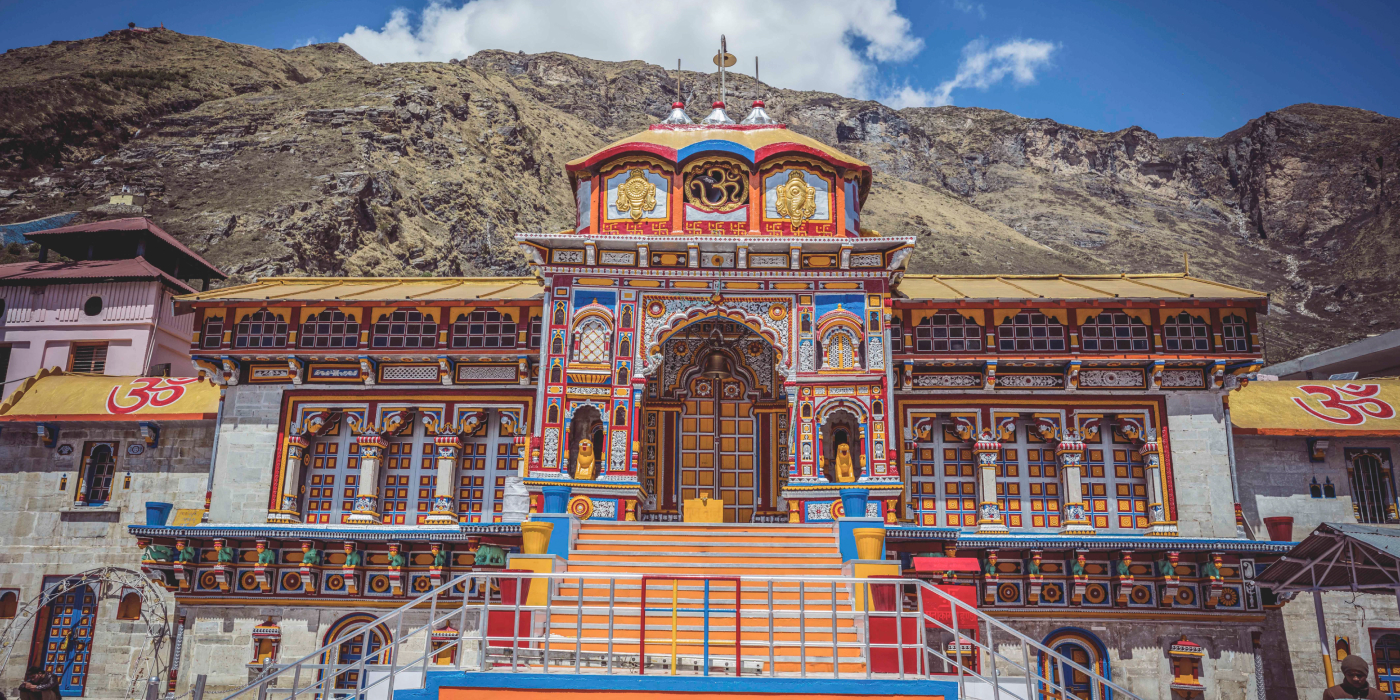
Later visit Badrinath Temple. The temple is nestled beautifully in astounding setting, profound in a valley beneath the sharp snow-white pyramid of Mt Nilkantha. The temple is dedicated to Lord Vishnu and the entire temple complex is made out of wood. The lively colors of the temple amazingly contrast with the concrete buildings, snowy peaks and deep blue skies look like a Tibetan gompa. The black stone image of Badri Vishal is seated like a bodhisattva in the lotus position. Right beneath the temple is Tapt Kund, sulphurous hot springs that used for ritual bathing.
Proceed for excursion to Mana village – the last village in this valley. Visit Vyas Cave is a sacred place where it is believed that Sage Vyas had written Mahabharata with the help of Lord Ganesha. Bhim Pul is a natural stone bridge that lies across Sarswati River paving a way towards Vasudhara falls and Satopanth Lake.
Day 08: Badrinath – Rudrapryag (145kms drive / 4-5 hrs)
After breakfast, drive to Rudraprayag. It is situated at the confluence of two rivers Alaknanda and Mandakni. The place is best described as abode of gods with majestic Himalayas, cascading waters of holy rivers and a rich doze of flora and fauna. Upon arrival check in your hotel for overnight stay.
Day 09: Rudraprayag – Rishikesh (150 kms drive)
After breakfast, return drive to Rishikesh. Arrive at Rishikesh and check into hotel for overnight stay.
Day 10: Rishikesh – Delhi – Depart
After relaxed breakfast, return drive to Delhi. On arrival at Delhi we will take you for your “Farewell Dinner” with Indian Specialty. Later in the evening our representative will escort you to the International Airport and assist you check-in for your flight to onward destination.